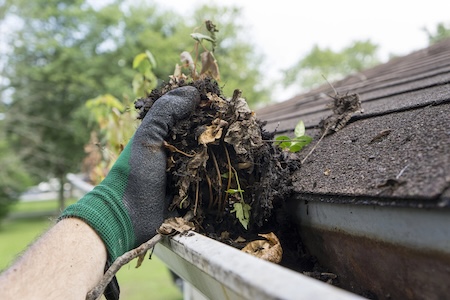
How Often Should You Clean Your Gutters in Connecticut?
Connecticut weather keeps your gutters busy. From spring rain to heavy fall leaf drop, your system works year-round to move water away from your home. The short answer for most homes in Bristol, CT is twice a year, but the best plan depends on trees, roof style, and how storms hit your property.
If you want a simple, reliable plan, schedule a spring cleaning after the first flush of pollen and a late fall cleaning after the leaves are mostly down. That routine prevents overflow, staining, and foundation issues. To make it easy, you can book professional gutter cleaning with Charlie The Power Washer and put the task on the calendar before problems start.
What Is the Best Gutter Cleaning Schedule in Bristol, CT?
For many homes in neighborhoods like Forestville, Federal Hill, and Chippens Hill, a twice-a-year schedule works well. Connecticut’s cycle of spring growth, summer storms, and late fall leaf drop means debris finds its way into gutters in two big waves.
Here is a simple rule of thumb that fits most properties in our area:
- Late April to early June: Clean after spring pollen and seed pods finish dropping.
- Late October to mid-November: Clean near the end of leaf season, before early winter freezes.
Homes tucked under oak, maple, or pine can need more frequent service. If you live near mature trees or in shaded pockets of Bristol that hold moisture longer, quarterly checks may be smarter. That is especially true if your downspouts connect to underground drains where clogs are harder to spot.
Signs Your Gutters Are Clogged And Need Service
Waiting for a problem can be costly. Watch for these warning signs between cleanings and schedule service right away if you notice them:
- Water spilling over the edges during rain or pooling around the foundation
- Dark streaks, tiger-striping, or algae staining on fascia and siding
- Gutters sagging, pulling away, or seams separating
- Downspouts trickling instead of flowing after a storm
- Soil washouts under the eaves or mulch displaced along planting beds
- Icicles or ice ridges forming along the roofline in winter
Never ignore water spilling over the gutter edges during rain. It is one of the clearest signs that a clog is pushing water where it does not belong. Overflow can lead to fascia rot, basement moisture, and landscape erosion if it continues.
Spring vs. Fall Gutter Cleaning In Connecticut
Both seasons matter, but they solve different problems. In spring, the goal is to remove pollen mats, seed pods, twigs, and winter grit so your gutters can handle strong late-spring showers. In late fall, the priority is clearing leaves and small branches before freezing weather turns damp debris into heavy blockages.
Here is how to think about timing:
- Spring cleaning resets the system after winter. It helps keep siding clean and prevents streaks where water overflows due to pollen mats. It also prepares your gutters for thunderstorm season when downpours are intense and brief.
- Late fall cleaning is your protection against freeze-thaw issues. Removing dense leaf piles keeps meltwater moving, which can reduce the chance of ice forming at the roof edge. Clean gutters help water drain off the roof instead of backing up under shingles.
Local Factors That Change How Often You Need Gutter Cleaning
Every home is different. Your ideal plan depends on a few local variables common in Central Connecticut:
- Tree cover and species. Oaks and maples shed large volumes in fall. Pines drop needles year-round and can clog outlets fast. If your roofline sits under a canopy, expect more frequent service.
- Roof pitch and valleys. Complex roofs collect more debris. Valleys feed leaves toward downspout openings where clogs form first. Steeper roofs shed material quickly, which can pile up in gutters after a windy day.
- Exposure and wind. Homes on open lots or along ridgelines in Chippens Hill see more wind-driven debris. Corner lots near tall trees can load up after a single storm.
- Shaded, damp sides of the house. North-facing eaves stay wet longer. Moisture helps organic matter stick and break down into a heavy mat that slows water.
- Downspout design. Underground drains hide blockages. Splash blocks or extensions that get bumped out of place can send water into basements or across walkways.
How Gutter Care Protects Your Roof, Siding, and Foundation
Gutters do more than move rain. They protect your roof deck, fascia, and soil around your foundation. When they are clear, water exits fast. When they are clogged, water backs up under shingles, spills down walls, and saturates the ground near the house. Over time, that can show up as peeling paint, musty basements, or frost-heaved walkways.
Pairing seasonal gutter clean-outs with related maintenance multiplies the benefits. For example, after a fall cleaning, many homeowners schedule roof cleaning to remove algae and grit that would otherwise flow into gutters during the next thaw. Clean roof, clean gutters, clean runoff path. It is a small sequence that makes a big difference through winter.
Choosing a Reliable Schedule That Fits Your Home
Most Bristol homeowners get great results with a twice-a-year plan. If you live under dense trees, aim for three to four times a year. Homes with minimal tree cover may only need a full clean in late fall plus a light spring check. The right answer varies by home size, materials, and season, so a quick assessment is the best first step.
If you prefer to keep it hands-off, Charlie The Power Washer can put your address on a recurring calendar and set reminders before peak leaf and pollen periods. You get a clean system on time without remembering dates.
What To Expect From Professional Service
As a local pressure washing and soft washing specialist, Charlie The Power Washer focuses on safety, careful debris removal, and proper flow through each downspout. Technicians clear the gutters, check outlets, and verify that water moves away from the house the way it should. That attention helps prevent streaking on siding and keeps splashback off your walkways and garden beds.
Homeowners searching for gutter cleaning in Bristol, CT can start with a simple inspection and a clear plan. We will look at tree coverage, roof design, and how water drains on your lot. Then we recommend a schedule that fits your property and goals.
When Weather Means You Shouldn’t Wait
Connecticut storms can drop a month’s worth of leaves and sticks overnight. If a nor’easter blows through or you notice pooling water near the foundation, do not wait for your next scheduled visit. A timely clean-out prevents staining and rot along the eaves. If you see icicles forming at the roof edge or notice ice dams, call a pro right away.
Early action is smart in older parts of town where rooflines have more detail and valleys. It is also smart after a summer hailstorm that knocks leaves loose. Even if your last clean was recent, targeted service after a storm can save the season.
Simple Planning Tips For A Stress-Free Year
Make the most of each visit with a steady rhythm that fits Central Connecticut’s seasons:
- Book late fall service after peak leaf drop, then a spring follow-up after pollen season.
- Ask for a reminder plan so you are on the calendar before the rush.
- Confirm downspouts discharge away from the foundation and walkway edges.
Clean gutters help prevent ice dams and staining, which keeps paint and trim looking fresh longer. That is good curb appeal and smart home care rolled into one.
Ready To Protect Your Home? Here’s The Next Step
If you want a custom plan that fits your trees and roofline, schedule professional gutter cleaning with Charlie The Power Washer. We will set your spring vs. fall timing, note any storm-related needs, and keep your system moving year-round. To get started, call 860-840-0178 today.
Prefer to plan ahead? We can map out a full year of appointments so your gutters are clear before each season’s first big rain. That way your home is ready for Bristol weather, no matter what the forecast brings.
